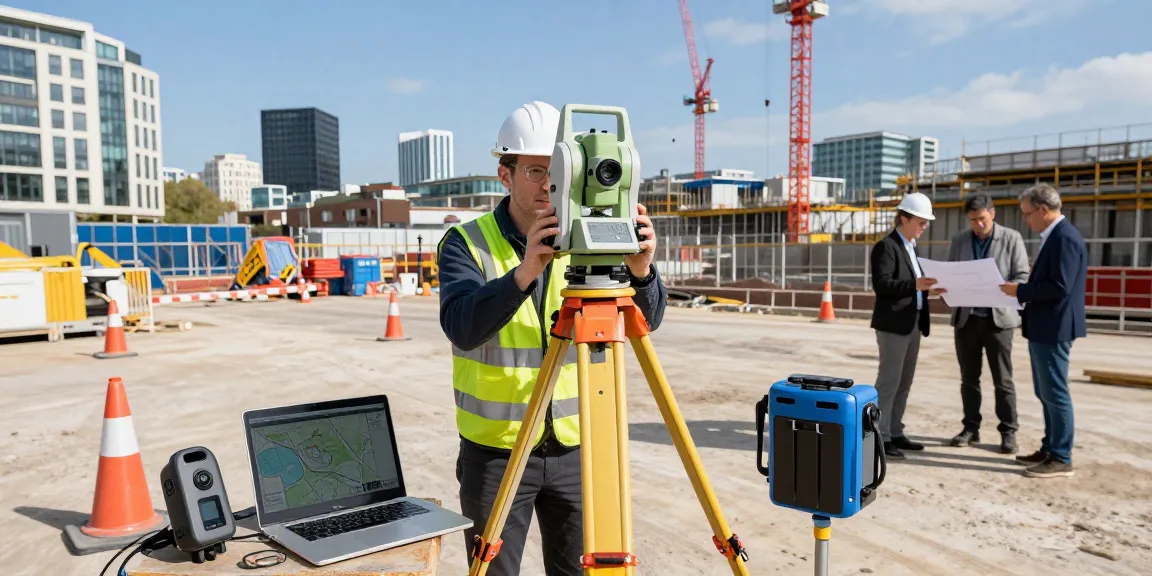
Understanding the Role of Surveyors in Modern Construction
Surveyors play an essential role in the construction industry, serving as a bridge between conceptual designs and real-world implementations. They are responsible for providing critical data that informs project planning, resource allocation, and execution strategies. Modern surveyors, equipped with advanced tools and technologies, ensure precise measurements and analyses, making them invaluable to architects, engineers, and developers. By employing professionals like Cadmap Ltd., who excel in Land Topographical Surveys and PAS128 Utility Surveys, project stakeholders can significantly reduce risks and enhance project outcomes. When exploring options, Surveyors as we all surveys offers comprehensive insights into surveying practices that improve decision-making processes.
What Do Surveyors Do?
Surveyors are tasked with measuring and mapping land, structures, and features to support various construction and development projects. Their work encompasses a wide array of functions, including:
- Topographical Surveys: Capturing detailed information about the terrain, including elevation changes, vegetation, and man-made features.
- Measured Building Surveys: Accurately documenting existing structures, providing floor plans, elevations, and sectional drawings.
- Utility Surveys: Identifying and mapping underground utilities, crucial for avoiding service disruptions during construction.
- CCTV Drainage Surveys: Inspecting drainage systems to assess conditions and plan necessary repairs.
Each survey type serves a unique purpose and is essential for the successful completion of construction projects, ensuring that designs are feasible and regulations are met.
Types of Surveys Conducted by Professionals
The landscape of surveying is diverse, with several specialised areas focusing on various aspects of land and building measurements. Key survey types include:
- Geodetic Surveys: Utilizing advanced techniques to measure large areas with high precision.
- Land Surveys: Establishing property boundaries and verifying land title claims.
- Engineering Surveys: Supporting the design and construction of infrastructure projects.
- Environmental Surveys: Evaluating environmental impacts and supporting compliance with regulations.
These surveys provide essential data that informs planning and design decisions, directly influencing the success of construction projects.
The Importance of Accurate Surveying in Projects
Accurate surveying is crucial for reducing costs and avoiding delays during construction. Poor measurements can lead to significant complications, such as:
- Cost Overruns: Inaccuracies in initial estimations can lead to unexpected expenses.
- Regulatory Issues: Failure to comply with zoning laws and land use regulations can halt projects.
- Structural Failures: Inaccurate data can compromise the integrity of structures, leading to safety hazards.
By investing in professional surveying services, construction teams can mitigate these risks and enhance the efficiency of their projects.
The Latest Technology and Tools for Surveyors
To enhance accuracy and efficiency, modern surveyors employ cutting-edge technologies and tools. Innovations in surveying equipment have transformed the industry, leading to more sophisticated and reliable outcomes. In 2026, we can expect even further advancements in these critical technologies.
Innovative Tools Revolutionizing Surveying Practices
Surveyors now utilise various innovative tools to achieve remarkable accuracy in their work. Some of the most important technologies include:
- Total Stations: These electronic theodolites are used for measuring angles and distances with precision.
- GPS Technology: Global Positioning Systems allow for accurate location data collection and mapping.
- Laser Scanners: Instruments that capture rapid, high-definition 3D data of structures and landscapes.
- Drones: Unmanned aerial vehicles that provide aerial surveys and real-time mapping capabilities.
How Technology Improves Accuracy and Efficiency
The integration of technology in surveying has led to significant enhancements in both accuracy and efficiency. For example:
- Data Collection Speed: Tools like drones can cover vast areas quickly, providing comprehensive data in a fraction of the time.
- Increased Precision: Laser scanning and GPS technologies ensure high measurement accuracy, minimizing human error.
- Real-Time Data Processing: Advanced software can process data on-site, allowing for immediate adjustments and decisions.
These advancements not only streamline the surveying process but also empower surveyors to provide more reliable data to clients.
Future Trends in Surveying Equipment for 2026
Looking ahead to 2026, we can anticipate several key trends in surveying technology:
- AI Integration: The use of artificial intelligence to analyse survey data and automate routine tasks.
- Cloud-Based Solutions: Increased reliance on cloud storage for data sharing and accessibility, enhancing collaboration.
- Enhanced 3D Modelling: Improvements in software for creating highly detailed 3D models and simulations of projects.
- Sustainable Practices: A move towards eco-friendly technologies and methods in surveying to minimize environmental impact.
Best Practices for Effective Surveying
To conduct effective surveys, professionals should adhere to best practices that promote accuracy, efficiency, and safety. Here are key strategies for successful surveying:
Preparation Techniques for Successful Surveys
Before conducting surveys, thorough preparation is vital. This includes:
- Site Assessments: Conducting visits to the site to identify any challenges or unique features.
- Clear Objectives: Establishing specific goals for each survey to guide data collection efforts.
- Equipment Calibration: Ensuring all tools are calibrated and functioning properly before use.
Common Challenges and How to Overcome Them
Surveyors often face various challenges, including:
- Weather Conditions: Adverse weather can affect data collection. Planning surveys during favourable conditions can mitigate this issue.
- Access Issues: Difficult-to-reach areas may require specialised equipment or alternative surveying methods.
- Regulatory Changes: Staying informed about changes in local regulations and obtaining necessary permits is crucial for compliance.
Case Studies of Successful Survey Projects
There are numerous examples of successful survey projects that highlight the impact of effective surveying practices. For instance:
- A recent topographical survey conducted for a large-scale renovation project in London provided essential data that enabled the architect to optimise the design and layout of the new structure.
- A PAS128 Utility Survey for a commercial development uncovered previously uncharted utilities, preventing potential service disruptions during construction.
Measuring Success in Surveying Practices
To ensure effective outcomes in surveying, it is important to measure success through various performance indicators and metrics. These can provide insights into the effectiveness of surveying practices and areas for improvement.
Key Performance Indicators for Surveyors
Common KPIs for surveying practices include:
- Accuracy Rates: Tracking the precision of measurements compared to benchmarks.
- Completion Time: Monitoring how quickly surveys are completed relative to project timelines.
- Client Satisfaction: Gathering feedback from clients regarding their experience and the quality of service received.
How to Evaluate Surveying Outcomes Effectively
Effective evaluation of surveying outcomes involves a systematic approach:
- Post-Survey Reviews: Conducting meetings after project completion to discuss successes and challenges faced during the surveying process.
- Documentation of Findings: Keeping thorough records of data collected, methodologies used, and outcomes achieved for future reference.
Industry Benchmarks and Standards to Follow
Surveyors must adhere to industry standards and best practices to maintain quality and credibility. This includes:
- ISO Standards: Following internationally recognised standards related to surveying and mapping.
- Local Regulations: Complying with regional laws governing land use and surveying practices.
Future of Surveying: What to Expect in 2026 and Beyond
As technology continues to evolve, the role of surveyors will also adapt, presenting new opportunities and challenges. Here’s what to expect in the coming years:
Emerging Trends Affecting the Surveying Sector
Several key trends are expected to shape the future of surveying:
- Integration of Augmented Reality (AR): AR technology may be used to overlay digital information onto physical landscapes, enhancing data visualisation and decision-making.
- Increased Use of Robotics: Drones and robotic systems will continue to expand surveying capabilities, providing access to hard-to-reach areas.
Adapting to Changes in Regulations and Standards
Surveyors will need to stay agile in response to evolving regulations concerning land use, environmental impact, and technology standards. Continuous education and training will be critical to ensure compliance and success.
The Evolving Role of Surveyors in Construction Projects
As the construction landscape grows more complex, the role of surveyors will be expanded to include a more strategic function in project planning and execution. Surveyors will increasingly liaise with multiple stakeholders, making decisions that impact project viability and outcomes.