Understanding Emergency Electrician Services
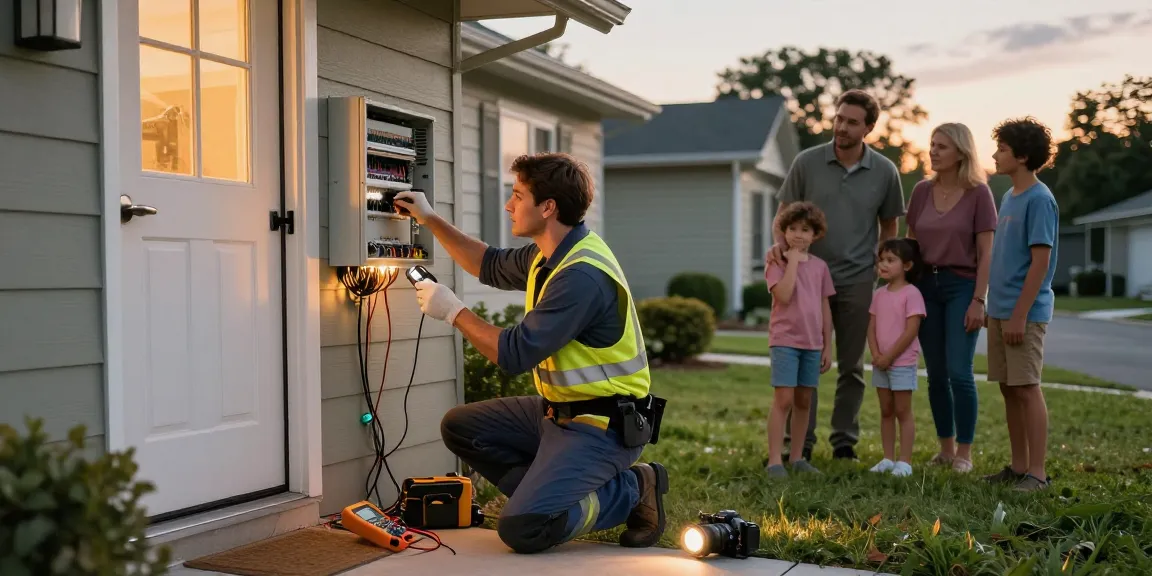
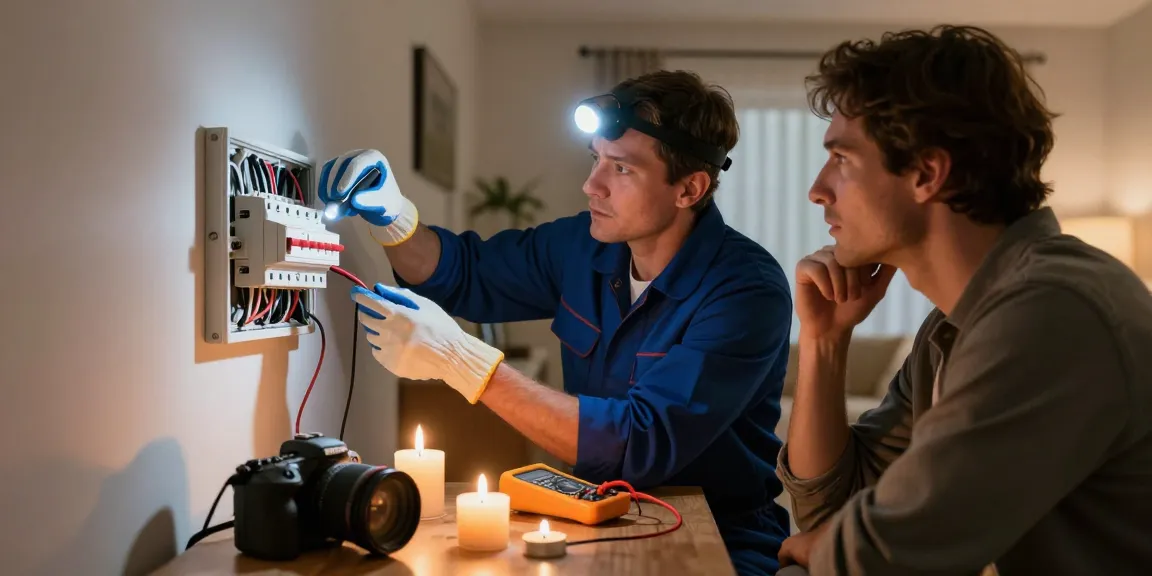
When unexpected electrical issues arise, the need for a qualified emergency electrician becomes essential. These professionals are specially trained to handle urgent situations that pose immediate risks to safety or property. Knowing when to call for help, the services they offer, and how they operate can prepare homeowners for any electrical crisis they might face.
What Defines Emergency Electrician Work?
Emergency electrician services are designed to provide rapid assistance in situations where electrical systems malfunction, creating hazards that require prompt attention. These situations can encompass a wide range, from power outages to exposed wiring. An emergency electrician is equipped to deal with various problems, often requiring immediate intervention to prevent accidents, property damage, or further complications.
Common Situations Requiring Immediate Help
- Power Outages: Unexplained power loss can indicate significant issues. If the outage is localized to your home, it may signal a tripped circuit breaker or issues with the wiring.
- Electrical Fires: Any sign of smoke, burning smells, or sparks warrants an immediate call to an emergency electrician to mitigate fire risks.
- Water Damage: If water leaks near electrical wiring or outlets, call an electrician to prevent electrocution risks.
- Flickering Lights: Persistent flickering can indicate overloaded circuits or faulty wiring, necessitating urgent evaluation.
- Exposed Wires: If wires become exposed due to wear or damage, they should be addressed immediately to reduce electrocution threats.
Legal and Safety Considerations
In many jurisdictions, electrical work is strictly regulated, necessitating licensed professionals to ensure safety. Homeowners should be aware of local regulations regarding electrical repairs and maintenance. Hiring a qualified emergency electrician not only protects the homeowner’s safety but also ensures compliance with the law, which can prevent potential liabilities in the event of accidents or injuries.
Key Skills and Qualifications of Emergency Electricians
Emergency electricians require a combination of technical skills, certifications, and practical training. Understanding these qualifications can help homeowners appreciate the expertise involved in emergency electrical services.
Essential Certifications and Licensing
Most regions require electrical contractors to hold specific licenses to perform electrical work. Certifications can include:
- National Electrical Code (NEC) Compliance: Understanding and adhering to these standards is essential for safe installations.
- OSHA Training: This ensures electricians are trained in workplace safety and are equipped to handle emergency scenarios.
- Specialized Certifications: Many electricians pursue further education in areas such as renewable energy systems or commercial electrical work.
Technical Skills Required for Success
Technical proficiency is crucial for emergency electricians to diagnose and repair electrical issues effectively. Key skills include:
- Problem-Solving: The ability to quickly analyze situations and identify solutions is paramount.
- Electrical System Knowledge: A robust understanding of wiring systems, circuits, and electrical codes ensures safe and effective repairs.
- Familiarity with Tools: Knowing how to use specialized tools and equipment enhances efficiency and safety.
Emergency Response Training and Protocols
Emergency electricians often undergo extensive training on how to respond effectively in crisis situations. This training includes:
- First Aid and CPR: Basic first aid knowledge is crucial in case of electrical shocks or other injuries.
- Safety Protocols: Understanding protocols for entering dangerous environments to minimize risk is critical.
- Effective Communication: The ability to communicate effectively with customers about potential dangers and necessary actions is also key.
Best Practices for Homeowners During Electrical Emergencies
Homeowners should be prepared for electrical emergencies by understanding immediate actions they can take to protect themselves and their property. Here are best practices to consider.
Immediate Steps to Take When the Power Goes Out
- Stay Calm: Panicking can lead to poor decision-making. Take a moment to assess the situation.
- Check Circuit Breakers: Before calling an electrician, check your circuit box to see if a breaker has tripped. Resetting it may resolve the issue.
- Report the Outage: If the outage affects your neighborhood, report it to the local utility company.
- Use Battery-Powered Lighting: In the dark, utilize flashlights or battery-powered lanterns instead of candles to reduce fire risks.
Common Myths About Electrical Safety in Emergencies
- Myth: Water and Electricity Don’t Mix: Many believe that the presence of water automatically creates a risk. However, the danger intensifies when a person comes into contact with an electrified surface while wet.
- Myth: Only Licensed Electricians Can Fix Problems: While this is true for most instances, basic troubleshooting steps can be taken by homeowners to address minor issues.
- Myth: All Flickering Lights Indicate Serious Problems: Sometimes, flickering can be a temporary issue or related to specific light fixtures.
How to Choose a Reliable Emergency Electrician?
Selecting the right emergency electrician can make all the difference during a crisis. Consider the following:
- Check Credentials: Verify that the electrician holds valid licenses and insurance.
- Look for Reviews: Customer feedback can provide insights into the reliability and professionalism of the electrician.
- Ask About Experience: Consider those with experience in emergency situations and a good track record.
Tools and Equipment Used by Emergency Electricians
Emergency electricians must be equipped with the right tools to diagnose and resolve issues swiftly. Their toolkit typically includes a variety of specialized equipment.
Essential Tools Every Electrician Carries
- Multimeter: This device measures voltage, current, and resistance, aiding electricians in diagnosing electrical faults.
- Wire Strippers: Necessary for removing insulation from electric wires.
- Fish Tape: Used to route new wiring through walls and other hidden spaces.
- Screwdrivers and Pliers: Essential for general electrical work, including loosening and tightening connections.
Innovations in Electrical Tools for 2026
The field of electrical work continually evolves, with innovations enhancing efficiency and safety. Some upcoming tools to look out for include:
- Smart Multimeters: Featuring Bluetooth capabilities to send diagnostic data directly to smartphones for easier troubleshooting.
- Augmented Reality (AR) Glasses: Providing electricians with real-time data and schematics overlaid on actual equipment.
- Advanced Circuit Finders: Allowing technicians to locate circuits more accurately without the need for extensive testing.
Safety Gear and Protocols for Electrical Work
Safety is non-negotiable in electrical work. Electricians wear specific gear to protect themselves from hazards, including:
- Insulated Gloves: Essential for preventing electric shock.
- Safety Glasses: Protecting eyes from flying debris and potential electrical arcs.
- Hard Hats: Useful for protection against head injuries in construction sites or when working on overhead systems.
The Future of Emergency Electrical Services
As technology progresses, so do the methodologies and tools used in emergency electrical services. The future looks promising for both electricians and homeowners.
Trends in Electrical Safety Technology
Emerging technologies are reshaping the landscape of electrical safety. Some trends to watch include:
- Smart Home Integration: More homes are being equipped with smart technology that can alert homeowners to electrical issues proactively.
- Remote Monitoring Systems: Allowing electricians to monitor systems from afar and respond promptly to potential faults.
- Training Simulators: Utilizing VR technology for training electricians in a safe, controlled environment.
Predicting Future Emergencies: What to Expect In 2026
Anticipating future electrical emergencies can help homeowners prepare. Key predictions include:
- Increased Frequency of Severe Weather: Climate change may lead to more power outages, necessitating robust emergency response teams.
- Growing Use of Electric Vehicles: As more homes install EV charging stations, the demand for emergency electricians will increase.
- Cybersecurity Risks: As homes become more connected, electrical systems may face cybersecurity threats that could lead to emergencies.
How Electricians Are Adapting to Changing Regulations
With regulations constantly evolving, electricians must stay informed. This adaptation includes:
- Continued Education: Many electricians engage in ongoing education to keep pace with changes in code compliance.
- Adoption of Green Energy Standards: With increasing regulations on energy efficiency, electricians are training in eco-friendly technology.
- Proactive Compliance Checks: Regularly reviewing projects to ensure they meet new regulations before they come into effect.
What Are the Signs You Need an Emergency Electrician?
Recognizing the warning signs can save homeowners from serious issues. Key indicators include:
- Strange Odors: Burning smells from outlets or circuit boards indicate overheating or malfunction.
- Frequent Circuit Breaker Trips: This could signify overloading, faulty appliances, or wiring issues.
- Discolored Outlets: Heat generated from faulty connections can cause discoloration, signaling underlying problems.
How to Prevent Electrical Emergencies in Your Home?
Preventive measures can significantly reduce the risk of electrical emergencies. Consider these tips:
- Routine Inspections: Schedule regular check-ups with a qualified electrician to identify potential issues early.
- Don’t Overload Circuits: Be mindful of how many devices are plugged into a single outlet or circuit.
- Upgrade Old Wiring: If your home has outdated wiring, consider upgrading to meet current safety standards.
What Should You Expect During an Emergency Electrical Call?
When you call an emergency electrician, expect the following:
- Initial Assessment: The electrician will assess the situation to determine the immediate risks and necessary actions.
- Transparent Communication: Expect clear communication regarding the problem and proposed solutions.
- Timely Service: Emergency electricians prioritize speed and efficiency to resolve issues promptly.
Why Regular Electrical Inspections Are Essential?
Regular inspections can prevent emergencies by identifying potential issues before they escalate. Homeowners should prioritize:
- Addressing Code Violations: Inspections ensure your home meets electrical codes, reducing the risk of fines or accidents.
- Enhancing Safety: Regular checks help ensure all systems function correctly and safely.
- Long-term Savings: Proactively managing electrical systems can save money on major repairs down the line.
Future Trends in Emergency Electrical Services?
The landscape of emergency electrical services will continue to evolve. Key trends include:
- Increased Demand for 24/7 Services: The expectation for around-the-clock services will become more pronounced as homeowners rely on electricity more heavily.
- Technology Integration: The use of apps and software to streamline emergency calls and track service history will enhance customer experience.
- Focus on Sustainability: Eco-friendly practices will shape how electricians approach their work, from materials to energy-efficient solutions.