Understanding the Role of an Emergency Electrician
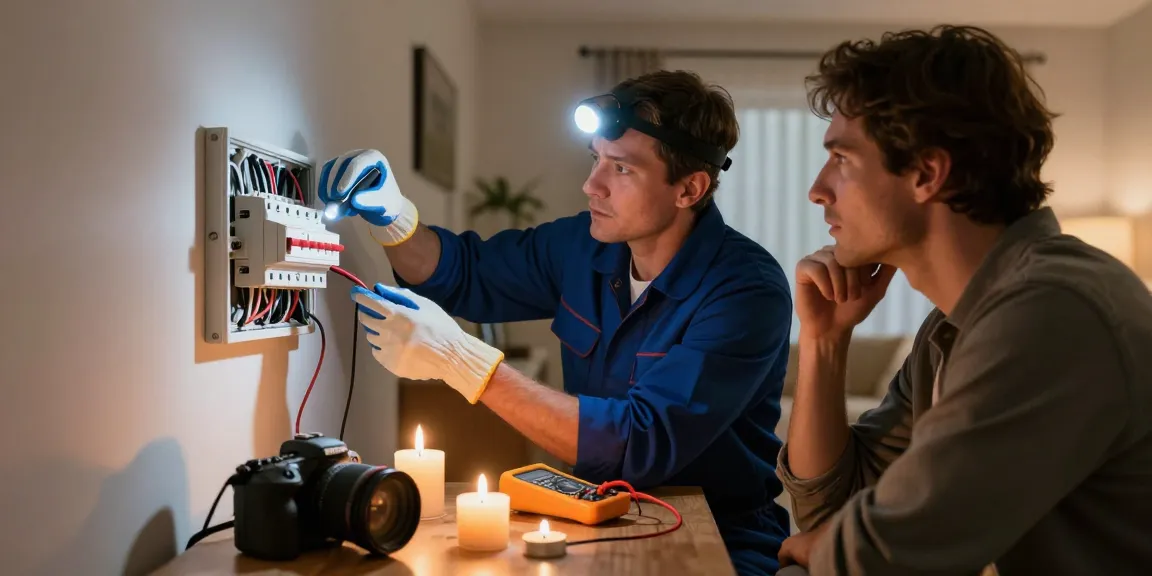
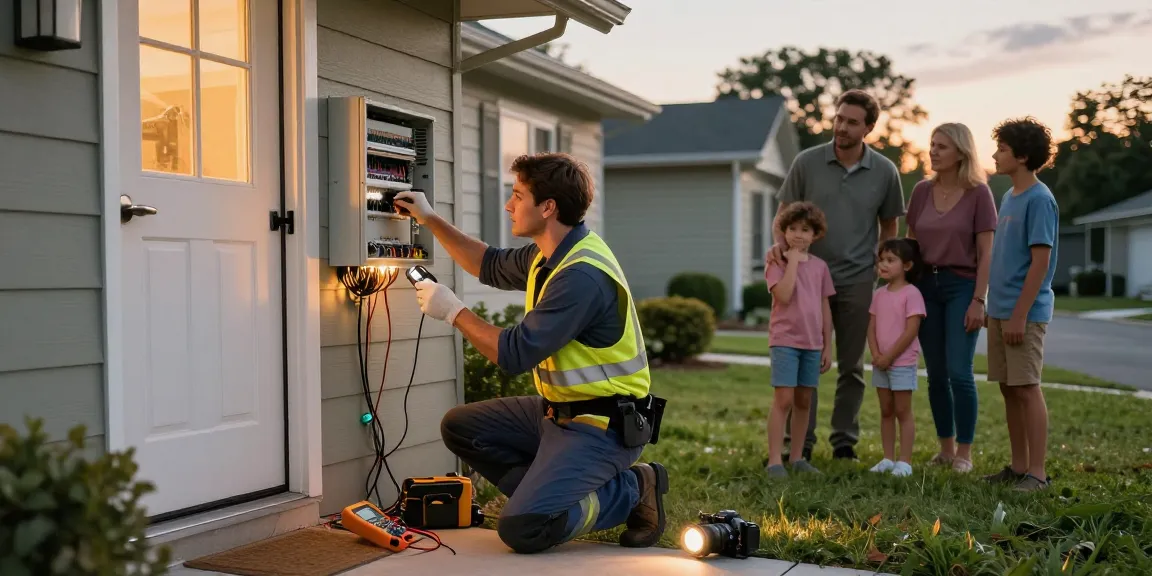
In today’s world, where reliance on electrical systems is paramount, the role of an emergency electrician becomes increasingly critical. These professionals are trained to respond to urgent electrical issues that can arise unexpectedly, causing potential hazards to homes and businesses. An emergency electrician can provide immediate assistance, ensuring safety and restoring functionality quickly, which is essential in maintaining a secure environment.
What Does an Emergency Electrician Do?
An emergency electrician is a licensed professional who specializes in addressing electrical problems that require instant attention. Their expertise ranges from fixing blown fuses and tripped circuit breakers to more complex issues like faulty wiring and electrical fires. Their primary goal is to prevent further damage, protect property, and ensure the safety of occupants.
In addition to repairs, they often conduct inspections to identify any underlying issues that may not be immediately apparent. This preventative measure is crucial in avoiding future emergencies and ensuring that electrical systems are functioning optimally.
When to Call an Emergency Electrician?
Recognizing when to call an emergency electrician is crucial for safety and peace of mind. If you experience any of the following situations, it is advisable to seek professional help immediately:
- Power outages that affect a significant portion of your home
- Flickering lights or recurrent blown fuses
- Burning smells coming from outlets or appliances
- Shocks or tingling sensations when touching electrical appliances
- Visible damage to wires or outlets
- Water exposure to electrical systems or wiring
These signs can indicate serious issues that could lead to more severe electrical hazards, including fires.
Common Services Provided by Emergency Electricians
Emergency electricians offer a wide range of services to address various urgent electrical scenarios. Some of the most common services include:
- Repairing or replacing faulty outlets and switches
- Addressing circuit breaker issues
- Restoring power during outages
- Wiring upgrades and fault finding
- Installing emergency lighting systems
- Providing safety inspections to prevent future emergencies
Their skills enable them to handle both residential and commercial electrical needs, ensuring minimum downtime and maximum safety.
Identifying Electrical Issues Before They Escalate
Proactive identification of electrical issues is vital to prevent emergencies. Homeowners can benefit from understanding the signs that signal potential electrical problems. Being aware of these indicators can lead to timely interventions, reducing the risk of dangerous situations.
Signs You Need Immediate Electrical Assistance
Paying attention to your electrical system can significantly impact your safety and comfort. Here are some signs that indicate you may need immediate assistance:
- Frequent circuit breaker trips
- Unusual noises coming from the electrical system
- Outlets or switches that are warm to the touch
- Inconsistent power supply across devices
If you notice any of these symptoms, it’s crucial to contact an emergency electrician without delay.
Frequent Electrical Problems Homeowners Face
Many homeowners encounter common electrical issues that can escalate if not addressed promptly. These include:
- Overloaded circuits leading to repeated breaker trips
- Old or outdated wiring that can cause short circuits
- Faulty lighting systems that flicker or fail to operate
- Dead outlets that can render certain areas unusable
Understanding these frequent problems helps homeowners maintain their electrical systems and avoid emergencies.
Safety Risks of Ignoring Electrical Issues
Ignoring electrical issues can lead to hazardous situations, including:
- Electrical fires caused by faulty wiring
- Severe injuries from electrical shocks
- Damage to appliances and home systems
- Increased energy costs due to inefficient systems
For safety, prompt action is essential whenever an electrical issue arises.
How to Choose the Right Emergency Electrician
Selecting the right emergency electrician requires careful consideration. Not all electricians offer the same level of service or expertise, so understanding what to look for can make all the difference.
What to Look for in Credentials and Experience?
When choosing an emergency electrician, the following credentials and experience should be considered:
- Licensing and certifications proving they are qualified
- Experience in handling similar electrical issues
- Insurance coverage for liability protection
- Availability for emergency calls round the clock
These factors ensure that you are hiring a qualified professional capable of managing urgent electrical needs.
Reading Reviews and Recommendations
Reviews and recommendations are invaluable when selecting an emergency electrician. Look for testimonials from previous clients to gauge reliability and quality of service. Websites, social media, and local community forums can provide insights into their reputation and customer satisfaction.
Cost Considerations When Hiring
Understanding the cost structure is vital before hiring an emergency electrician. Factors affecting cost may include:
- Complexity of the electrical issues
- Time required for repairs
- Emergency service fees
- Materials and equipment needed
Always request a detailed estimate and understand what services are included to avoid unexpected expenses.
Preventative Measures to Avoid Electrical Emergencies
Preventative measures are essential in maintaining a safe electrical environment. Homeowners can significantly reduce the risk of emergencies by implementing regular maintenance practices.
Regular Maintenance Practices Every Home Needs
A regular maintenance schedule can help spot potential issues before they escalate. Recommended practices include:
- Scheduling annual electrical inspections
- Testing smoke detectors and carbon monoxide alarms
- Keeping electrical panels clean and accessible
- Checking for outdated wiring and making necessary upgrades
Regular maintenance not only enhances safety but also prolongs the lifespan of electrical systems.
Upgrading Electrical Systems for Safety
Upgrading old electrical systems can prevent many hazards. Homeowners should consider:
- Replacing outdated circuit breakers and panels
- Installing surge protectors to prevent damage from power surges
- Using modern wiring that meets current safety standards
Investing in upgrades leads to improved electrical reliability and safety.
Common Myths About Electrical Safety
Misinformation about electrical safety can lead to dangerous practices. Some common myths include:
- Overloading power strips is safe
- All electrical work can be done DIY
- It’s safe to ignore flickering lights
Dispelling these myths is crucial for ensuring safety precautions are taken seriously by homeowners.
Emerging Trends in Electrical Services for 2026
The electrical industry continues to evolve, driven by advancements in technology and changing consumer needs. Staying informed about these trends can help homeowners adapt to the future of electrical services.
Innovations in Electrical Safety Technology
Emerging technologies in electrical safety focus on improving system reliability and reducing risks. Innovations include:
- Smart circuit breakers that automatically shut off power during overloads
- Advanced wiring systems that provide real-time monitoring
- Enhanced fire detection systems integrated into electrical networks
These technologies contribute to safer homes and efficient electrical management.
Smart Home Devices and Their Impact on Safety
The integration of smart home devices has transformed how we interact with our electrical systems. Benefits include:
- Remote monitoring of electrical usage
- Automated alerts for unusual activity or malfunctions
- Enhanced control over lighting and appliances
Smart technology can improve safety by enabling quick responses to electrical issues.
Future Forecasts: The Changing Landscape of Emergency Electrical Services
As technology advances, the landscape of emergency electrical services will also change. Future trends suggest:
- Increased demand for 24/7 availability and rapid response times
- Greater use of technology for diagnostics and repairs
- More focus on renewable energy sources and their integration into existing systems
Staying ahead of these trends can help both homeowners and service providers navigate the evolving electrical services market.
What Causes Circuit Breakers to Trip?
Circuit breakers are designed to prevent overloads and short circuits. Common causes for tripping include:
- Excessive electrical load on a single circuit
- Faulty wiring or appliances
- Ground faults where current leaks to the ground
If you experience frequent trips, consulting an emergency electrician can identify underlying issues.
How to Prepare for Electrical Emergencies?
Being prepared for electrical emergencies can minimize risks significantly. Homeowners should:
- Know the main power switch location
- Have emergency contact numbers readily available
- Keep a flashlight and batteries accessible
- Understand how to operate basic safety equipment
Preparedness ensures quick responses in case of an emergency.
What Should You Do Immediately After a Power Outage?
After a power outage, taking certain precautions can enhance safety:
- Check if the outage is widespread or localized
- Avoid opening refrigerators and freezers to preserve food
- Inspect for any strange smells or electrical damage
- Contact your electricity provider for updates
Following these steps can help manage the situation effectively.
What are the Costs Associated with Emergency Electrical Repairs?
The costs for emergency electrical repairs can vary widely depending on the issue’s complexity. Typical factors include:
- Service call fees for immediate response
- Labor costs based on the repair duration
- Parts and materials needed for the repair
It’s essential to discuss costs upfront to avoid unexpected expenses.
How Can Homeowners Reduce Electrical Risks?
Homeowners can take several proactive measures to lower electrical risks:
- Utilize surge protectors on sensitive equipment
- Avoid overloading circuits
- Regularly maintain electrical systems
- Educate family members about electrical safety
By implementing these strategies, homeowners can foster a safer living environment.